|
|
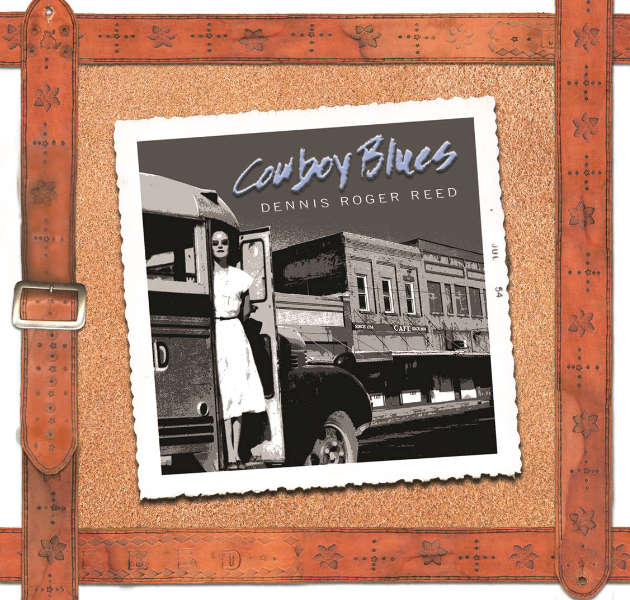
Dennis Roger Reed "Cowboy Blues" is a mixture of folk, blues, swing, bluegrass and more, featuring originals and new arrangements of country blues standards. Dennis Roger Reed, noted singer and songwriter, returns from his success with “Little King of Dreams” with this back porch influenced effort. Special guests include the legendary Chris Darrow on fiddle, lap guitar and vocals, and bottleneck and swing guitarist extraordinaire Mike Dowling. Reed spent five years and recorded two albums as the bass
player, songwriter and high harmony vocalist for the Andy Rau Band.
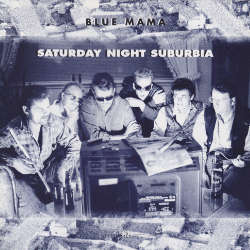
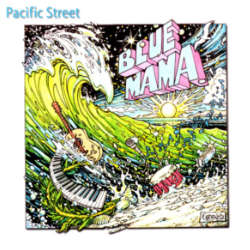
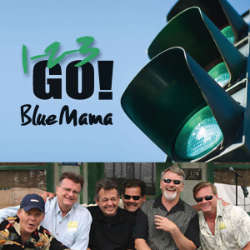
He also recorded two albums with roots/rock/blues band Blue Mama.
He's had songs published and recorded in the Nashville, bluegrass and
blues markets. His first solo CD, “Little King of
Dreams,” garnered
critical acclaim and radio airplay throughout the world. Murky Water Step It Up and Go Just Look in the Mirror Steal That Guitar Rag Wild About My Lovin’ Color Blue Goin’ To Brownsville Solid Gone Please Don’t Be Long Ever Since That Lightnin’
Hit Frankie and Johnny Fudd County Breakdown Dark Hollow Gray Prairie Dawn Don’t Look Back Cowboy Blues Review CD REVIEWS FolkWorks January – February 2006 Artist: DENNIS ROGER REED Title: COWBOY BLUES Label: PLASTICMELTDOWN RECORDS BY LINDA DEWAR Don’t be misled by the title of this new album from southern California singer-songwriter Dennis Roger Reed. Cowboy Blues is actually a delightful mixture of folk, roots, acoustic country pop and western swing, with the blues running through it as a common thread. Reed has an unassuming way with a song that conjures up images of summer evenings spent sipping lemonade and playing tunes on the front porch. His easy-on-the-ears baritone voice settles comfortably into both the toe-tappers and the ballads, and his skill on the acoustic, resonator and bass guitars is right up there with the best. The instrumental side of Cowboy Blues is made even better by the inclusion of some fine backup musicians, including Chris Darrow on fiddle, resonator lap guitar and backing vocals. Mike Dowling, and Reed’s brother Don Reed add their talents on guitar, mandolin, and assorted other stringed things, and Dan Fuller provides jus the right amount of percussion exactly where it’s needed. Of the sixteen tracks, six are traditional or covers and the rest are originals. My favorite among the covers is Reed’s arrangement of the Blind Boy Fuller roots/blues classic Step It Up and Go which is spiced up a bit by the addition of some western swing style rhythms and fiddling. But the heart of Cowboy Blues is its original songs. Dennis Roger Reed has a knack for combining traditional sounding melodies with lyrics that speak of longing and love in ways that make sense in a 21st century world. It’s hard to choose one over another, but I’m a bit partial to Murky Water, the opening track, and Color Blue, a memorable and melancholy ballad that refuses to fit in any genre. Cowboy Blues does what a good album is supposed to do. The music is a good mix of the familiar and the innovative, and the performance is top-notch. The lyrics catch your attention, tell you a bit about the singer, and reflect some of your own life and feelings. What more can you ask? www.americanaroots.com Dennis
Roger Reed -- Cowboy Blues Review Dan
Carlson Wednesday
July 27, 2005 Dennis
Roger Reed doesn’t look like a rock star. He
looks more like the guy who brings his guitar to the church picnic to
entertain the kids. His album, Cowboy
Blues, features a picture of himself on the
back, and he cuts a humble figure. It’s a promising sign: this disc is
about music, not flash, the photo says; here you’ll find steak, not
sizzle. And the picture isn’t lying. Reed
showcases a sense of pure musicianship over the album’s 16 tracks, most
of which he wrote, and which feature everything from mandolins to
12-string guitars and plenty of tight harmonies. The whole affair, from
country swing to gentle bluegrass to acoustic ballad, is refreshingly
classic in its approach. “Murky
Water,” the first track on the album, is a breezy 2 minutes that manages
to combine a toe-tapping style with a tale of secrets and a “watery
grave.” Later on, “Steal That Guitar Rag” shines with the homespun
mountain sound that’s become so vogue since the soundtrack to O
Brother, Where Art Thou? reintroduced mainstream The
album’s highlight has to be “Frankie and Johnny,” Reed’s
arrangement of a traditional tune. It’s a simple tale of love and love
gone wrong, and Reed’s pure voice adds to the grace of the music without
every outshining it. The
lyrics conjure up images of a better time, in a past that may never have
existed: these songs are all about choosing love above all things,
something not often sung about so plainly. Overall, Reed has created an
album very much in touch with an old school, cowboy sensibility, a disc of
honest tunes, honestly played. From
Dave’s Corner, Dave Soyars. FolkWorks
Magazine, July-August 2005
page 8 Dennis
Roger Reed’s Cowboy
Blues (!) [Plastic Meltdown Records] shows he’s a relaxed,
melodic singer as well as an excellent guitarist. Thought blues based,
he’s more than proficient on an impressive variety of guitar styles,
from folky strum to intricate blues picking to Ry
Cooder-like eclecticism. About half of the songs are originals,
good showcases for Reed’s playing on acoustic, electric, and slide
guitar. Covers included Sleepy John
Estes’ Goin’ to
Brownsville, and a live version of Smokey
Robinson’s Don’t Look
Back. Guests include former Kaleidoscope
member Chris Darrow who
lends his haunting fiddle and singing to the traditional Dark
Hollow. ROOTSTIME English Translation
Dennis
Roger Reed / Cowboy Blues PlasticMeltdown
Records PMRCD 205
This one is partly Country Blues, although some of the original tunes (10
of 16) have more of a Folksy/Country feel. The instrumentation is mostly
acoustic, with guitar, mandolin, resonator guitar, fiddle, banjo, hand
drums, harmonica, 12 string guitar, and an occasional acoustic or electric
bass (Reed played bass and sang harmonies in the Andy Rau Band), trap kit
or Wurlitzer organ in various combinations. There are also some odd named
instruments like the kanjira and the ghatam. The covers are familiar, such
as “Step It Up and Go” (Blind Boy Fuller), “Wild About My Lovin’”
(Jim Jackson), “Goin’ To Brownsville” (Sleepy John Estes),
“Frankie and Johnny” and “Dark Hollow” (a swinging version, with
an electrified resonator lap guitar) the best examples. “Steal That
Guitar Rag” is an instrumental, as is “Fudd Country Breakdown.”
It’s all a very pleasant alternative to music that wants to beat you
upside the head, and the booklet offers the bonus of some interesting
vintage photos, including one of Lorrie Collins and Rose Lee Maphis
signing autographs, although they are frustratingly small. Apparently
Reed’s family took him to some interesting Western musical events when
he was young, and brought the family Brownie along, too. The whole effort
is a throwback to an era when some artists didn’t feel required to hit
you so damn hard with the production, and thank goodness for that! I
prefer music to be compelling, not demanding, and this music is. A slight
departure stylistically is the Motown tune “Don’t Look Back”, done
with a Reggae feel, but with banjo and mandolin, and sounds like it was
cut live at a gig. www.plasticmeltdown.com
– Marc Bristol
Woody Mann, guitarist extraordinaire |